
A capsule wardrobe is a small, intentional collection of clothes that mix and match easily, so getting dressed takes minutes—not mental energy. The goal isn’t to own the least; it’s to own the right pieces for your actual days. Below is a simple, repeatable way to edit your closet, define a personal palette and silhouettes, and build an everyday outfit system that works for workdays, errands, travel, and weekends.
A capsule wardrobe is a curated set of versatile pieces that create many outfits with fewer items. It isn’t a one-size-fits-all number—your “right” capsule size depends on laundry frequency, dress code, climate, and lifestyle. Minimalist also doesn’t mean bland: the point is clarity and consistency, not erasing personality. The strongest capsules support repeat outfits, comfortable staples, and a small set of intentional accents that still feel like you.
Before touching a hanger, map the situations that actually show up in a normal week: commuting, office days, school drop-off, workouts, social plans, and the “surprise” category (weather swings, last-minute meetings, quick trips). Assign rough percentages so your closet matches your calendar—like 60% casual, 30% workwear, 10% dressy. Then note constraints that affect what you truly wear: office A/C, walking distance, shoe comfort, fabric care limits, and whether you need layers on demand.
Finish with a plain-language style direction you can remember at 7 a.m., such as “clean lines, neutral base, one bold accent.” That single sentence becomes your filter when you keep, tailor, or buy.
| Situation | Days/Week | Comfort & Dress Code Notes | Go-To Outfit Formula |
|---|---|---|---|
| Work/School | 3–5 | Layers for A/C; polished shoes | Top + structured layer + straight-leg bottoms |
| Errands/Active | 2–4 | Washable fabrics; hands-free bag | Tee/knit + light jacket + sneakers |
| Home | 7 | Soft, breathable, presentable for quick outings | Relaxed set + cardigan |
| Social/Dressy | 0–2 | One reliable elevated option | Simple dress or dark jeans + blouse + statement accessory |
Editing is where capsules succeed or fail. Pull everything out and sort into five piles: Keep & Wear Weekly, Keep & Occasional, Repair/Tailor, Donate/Sell, and Unsure. Keep what fits right now and feels good on your body today—not a future version of you. Put “maybe” pieces into a 14–30 day decision window, stored out of sight; if you don’t miss them, you have your answer.
Next, scan for duplicates that serve the same purpose. If you own four similar black tees, keep the best one or two (best fabric, best neckline, best fit) and release the rest. Finally, prioritize items that support multiple outfit formulas rather than one-off looks. Only after the edit is complete should you write a small gap list—shopping mid-sort usually replaces clutter with new clutter.
A palette is the shortcut that makes “getting dressed” feel automatic. Start with 2–3 base neutrals that coordinate with your shoes and outerwear (for many wardrobes: black, navy, cream, charcoal, or olive). Add 1–2 accent colors that flatter your skin tone and play well with your neutrals. If patterns are your thing, keep them intentional: pick one pattern family (stripes, checks, florals) and repeat it across seasons so it always looks like it belongs.
For accessories, choosing a consistent metal tone—mostly gold or mostly silver—reduces decision fatigue and makes outfits look more finished without extra effort. If you’re trying to shop more responsibly, learning fabric impacts can help guide better replacements; Good On You’s materials guide is a helpful starting point.
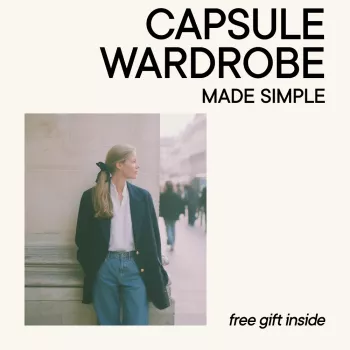
If a structured plan makes this easier, Capsule Wardrobe Made Simple (digital download eBook) is designed for repeat use: edit, define, build, and maintain—without starting over each season.
Quarterly or seasonal refresh dates (2–4 times per year) keep things calm: rotate storage, repair or tailor what you already own, reassess gaps, and confirm your outfit formulas still match your schedule. For extra motivation, the Project 333 minimalist fashion challenge can be a useful framework for practicing “enough” without perfectionism.
For travel, pack by outfit formulas instead of individual items. Choose two pairs of shoes plus one optional dressier pair, and stick to fabrics that resist wrinkles and odor where possible so you can re-wear without stress. If trips are part of your routine, pairing a travel plan with a tight wardrobe plan keeps packing simple; Smart Routes: Plan the Perfect Road Trip can help map stops and timing so your outfits match the trip’s real activities.
For a step-by-step closet edit, capsule planner pages, and outfit system templates you can reuse, see Capsule Wardrobe Made Simple (digital download eBook).
There’s no universal number. Many people land around 25–50 pieces per season, but laundry frequency, climate, dress code, and lifestyle matter more than counting—start by building from what you already wear often.
Yes—color and patterns can make a capsule feel personal. A neutral base plus 1–2 accent colors and one repeatable pattern family usually creates the most mix-and-match outfits with the least effort.
A light review each season (or quarterly) is usually enough. Replace essentials as they wear out, and consider repairing or tailoring favorites so your most-worn pieces stay in rotation longer.












Leave a comment