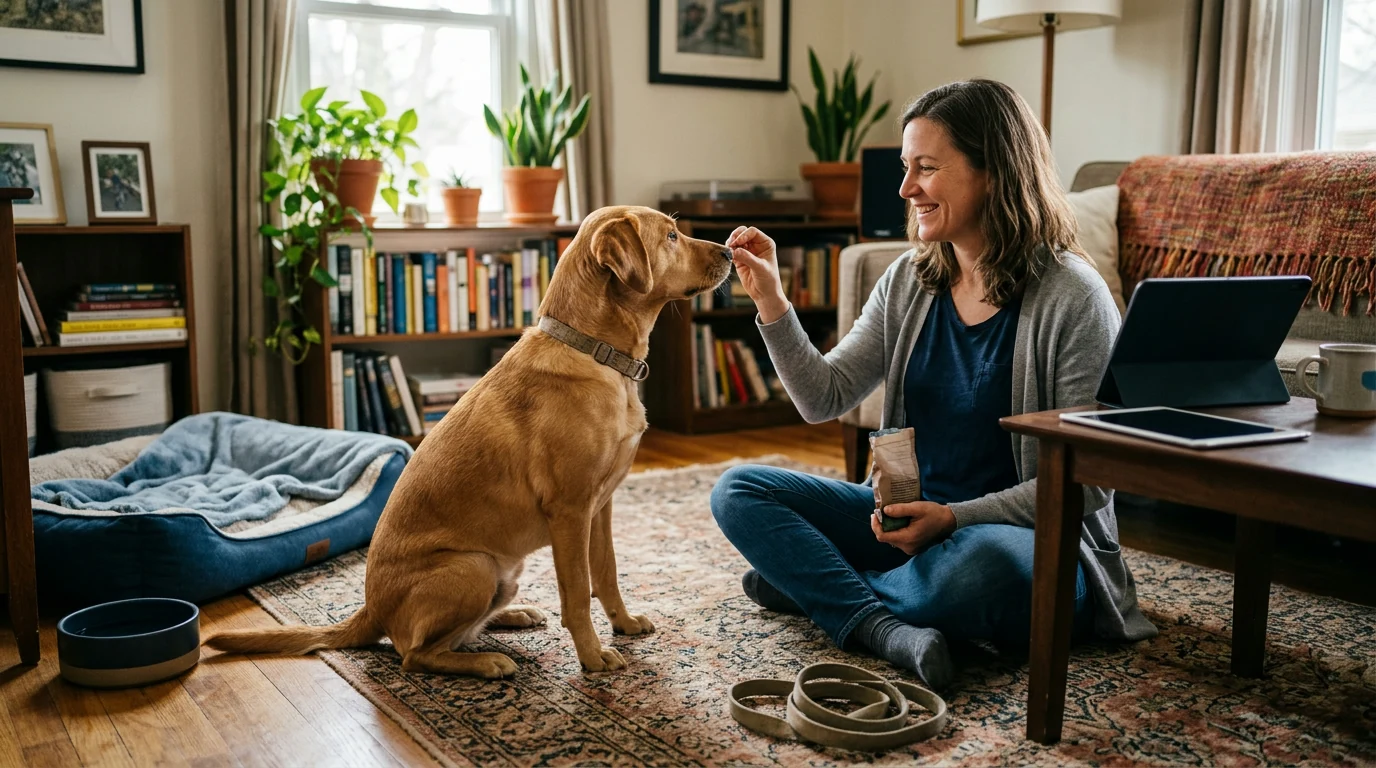
Life with a pet is full of small discoveries. A cue that works in a quiet room may need more practice outdoors, and a change in routine can reveal a need you hadn’t noticed before. Hearing how other owners approach those moments can give you ideas to consider as you build a life that works for you and your animal.
Real Pet Wisdom, From Owners is an eBook centered on owner advice for training, behavior, and everyday lessons. We encourage you to read pet advice with curiosity and use your own pet’s needs as the starting point. No single suggestion suits every animal, and professional guidance remains important when health or safety is involved.
Other owners often notice the practical details that make routines easier: when their pet is most attentive, how a household change affects behavior, or which rewards keep practice enjoyable. Their experiences can offer a fresh perspective when you face a familiar challenge.
Use those perspectives as starting points rather than universal rules. A young animal learning a new routine may need a different approach from an older pet managing a health condition. Temperament, past experiences, and your household circumstances matter, too. What helps one pet settle into a routine may be unhelpful or stressful for another.
Our team sees owner perspectives as a complement to professional care, not a replacement for it. Your veterinarian can help you make decisions about your pet’s health and individual needs. The American Veterinary Medical Association’s pet care resources also provide a useful starting point for general care questions.
Training can fit into ordinary life without becoming a lengthy daily project. Start by choosing a clear cue and deciding what response you want to encourage. Reward the desired behavior when it happens, and keep practice short enough that your pet can stay engaged. Using the same cue consistently can help avoid confusion among household members.
Choose one small goal at a time. For example, you might practice a familiar cue in one quiet location before trying it somewhere with more distractions. Notice whether your pet responds more readily at a particular time of day or with a certain reward. A brief note after each session can help you spot patterns without turning training into a chore.
If your pet seems frustrated, distracted, or uncomfortable, pause and make the next attempt easier. Progress may be uneven, so adjust your expectations to your animal rather than measuring success against someone else’s experience.
Behavior is easier to assess when you look at the circumstances around it. Note when and where it occurs, who or what is nearby, and whether anything in the routine has changed. A written record can help you describe the situation accurately if you need advice.
A sudden or concerning behavior change deserves a conversation with your veterinarian. Pain, illness, and other health issues can affect behavior, so avoid assuming that an unfamiliar response is simply a training problem. If a problem persists or anyone’s safety is at risk, seek help from a qualified behavior professional as well.
When choosing guidance, look for an approach that prioritizes your pet’s welfare. The American Veterinary Society of Animal Behavior’s position statements offer professional perspectives on training and behavior care.
Observation and consistency can guide more than formal training. They can help you decide whether a routine is comfortable, whether a change should happen more gradually, or when it is time to ask for help. Start with a manageable adjustment, then watch how your pet responds.
| Situation | What to observe | A practical next step |
|---|---|---|
| Learning a cue | When the pet responds reliably | Practice briefly and reward the desired response |
| A new behavior | Timing, surroundings, and changes in routine | Note patterns and consult a veterinarian if the change is sudden or concerning |
| Daily routine | How the pet responds to regular activities | Adjust gradually to suit the animal’s needs |
These are starting points, not a checklist every pet must follow. If a suggestion doesn’t fit your animal’s health, temperament, or circumstances, set it aside. The useful habit is to notice the response and make an informed adjustment.
If you enjoy learning from other people’s experiences, we offer Explore Real Pet Wisdom, From Owners as an in-stock eBook option. It focuses on owner advice about training, behavior, and everyday lessons. The listed price is $10.99; visit the product page for current details.
Everyday planning can also extend beyond home. If you’re preparing for a trip, our Smart Routes: Plan the Perfect Road Trip guide is another in-stock option for planning a route with stops. For travel with a pet, consider your animal’s individual needs and discuss any health concerns with your veterinarian before you go.
Explore the eBook with an open mind, keep the ideas that suit your pet, and give yourself room to adjust as you learn together.
The eBook centers on owner advice about training, behavior, and everyday lessons for life with a pet.
No. Owner experiences can offer perspective, but health concerns and serious behavior issues call for qualified professional guidance.
The listed price is $10.99. Visit the product page for current pricing.













Leave a comment