Personal resilience is the ability to adapt to challenges, recover from setbacks, and keep moving forward. It does not mean staying cheerful all the time or handling everything alone. Resilience is a set of skills you can practice, especially when a stressful day leaves you feeling stretched.
Seven useful characteristics are self-awareness, emotional regulation, optimism, flexibility, problem-solving, connection, and self-care. Each gives you a different way to respond when plans change or pressure builds.
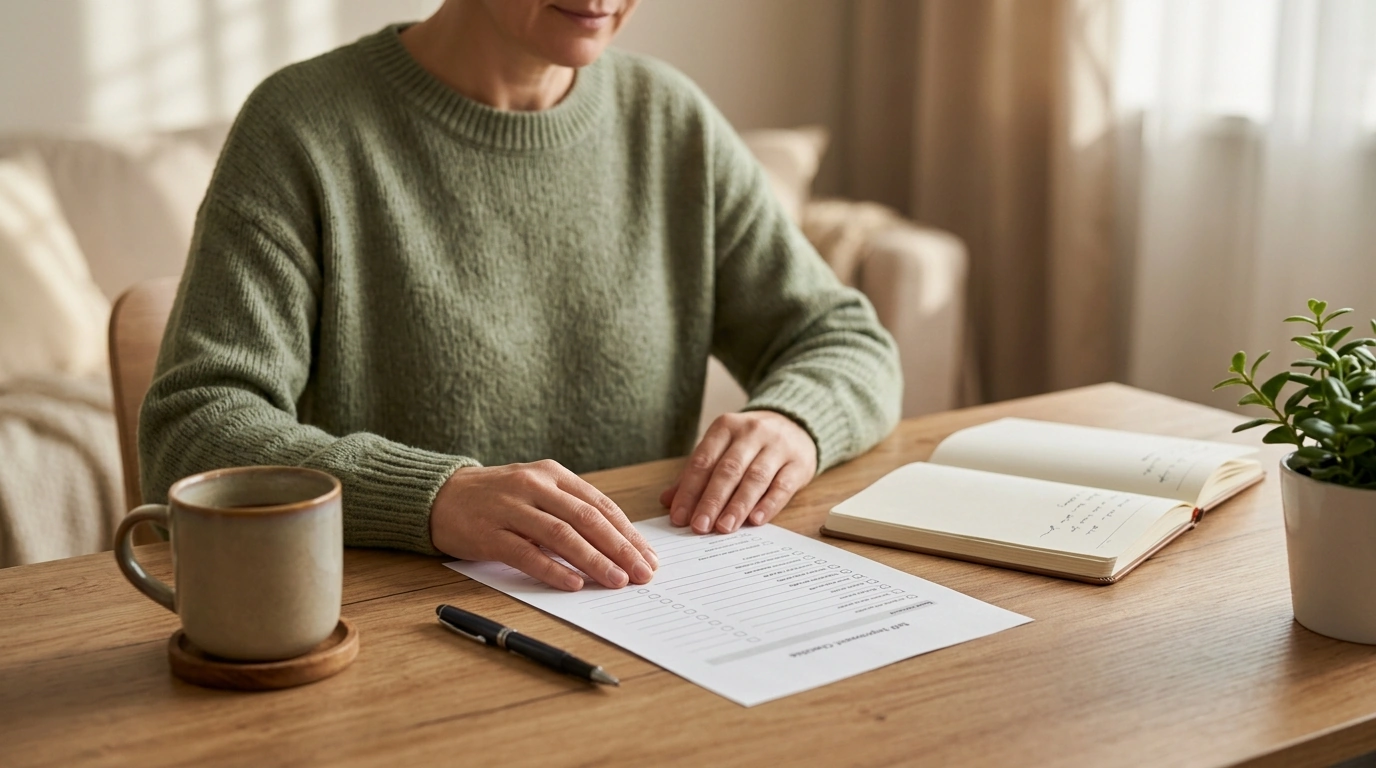
Self-awareness helps you notice what you are feeling and what may be driving it. When you recognize that a tight deadline is making you tense, for example, you can pause before that tension shapes your next decision. A notebook or journal can give you a simple place to identify patterns.
Emotional regulation is the ability to respond to feelings without letting them take over. It is not about ignoring frustration or sadness. Taking a few slow breaths, stepping away briefly, or naming the emotion can help you choose your next action.
Resilient optimism means looking for a workable path while acknowledging what is difficult. Instead of assuming one setback ruins the whole day, you can ask what is still within your control. Small, realistic goals help turn that outlook into action.
Flexibility lets you adjust when your original plan no longer fits. You might change your schedule, try another approach, or give yourself more time. A reusable planner can make it easier to rearrange priorities without treating every change as a failure.
Problem-solving involves breaking a challenge into manageable steps. Start by defining the immediate issue, listing possible responses, and choosing one small step. You do not need to solve everything at once to make progress.
Supportive relationships give you a place to share concerns and ask for help. Reaching out to a friend, colleague, or trusted professional can offer perspective and make a difficult situation feel less isolating.
Self-care means tending to the habits that support your capacity to cope. Food, movement, rest, and time away from demands can all play a part. Our team recommends keeping your routine practical: choose tools, such as a timer or planner, that make a helpful pause easier to remember.
For a short routine you can use when the day feels overwhelming, explore our 10-minute resilience checklist for stressful days.
Yes. Small habits, such as pausing to name your feelings, connecting with someone you trust, and choosing one manageable next step, can help you practice resilience over time.












Leave a comment